Field videos / Imperial tomb, Nanjing
Ming Xiaoling: why the first Ming emperor turned his tomb to face the lake
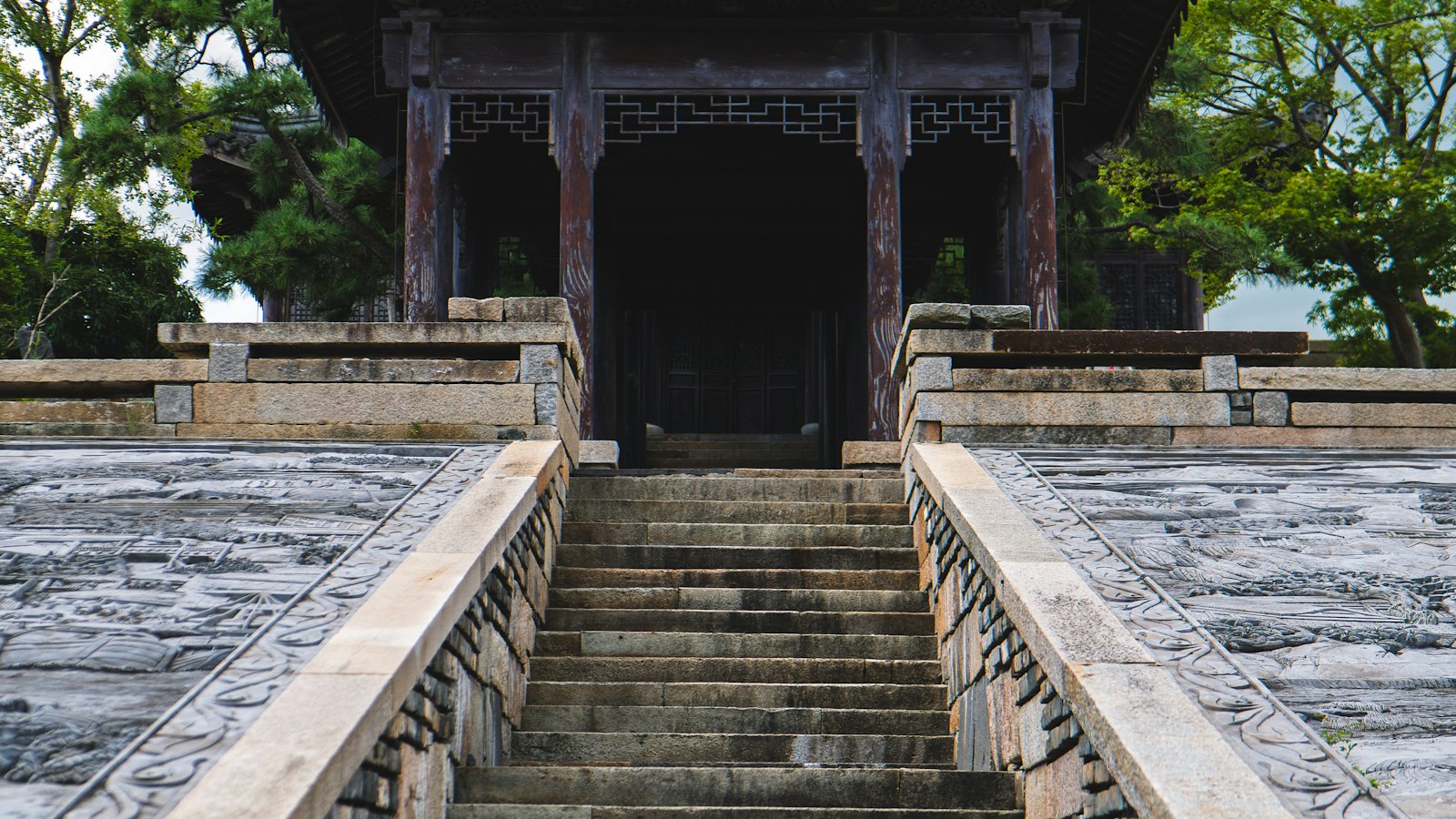
- Site
- Ming Xiaoling 明孝陵
- Buried
- Zhu Yuanzhang, Hongwu Emperor, and Empress Ma
- Built
- 1381 to 1405
- Backing
- Purple Mountain 紫金山, the parent mountain
- Table hill
- Meihua Hill, grave of Sun Quan 案山
- Water
- Qian Lake in front, drainage to the southwest
- Facing
- South, slightly west 坐北朝南
- Visited
- March 2026, with four students
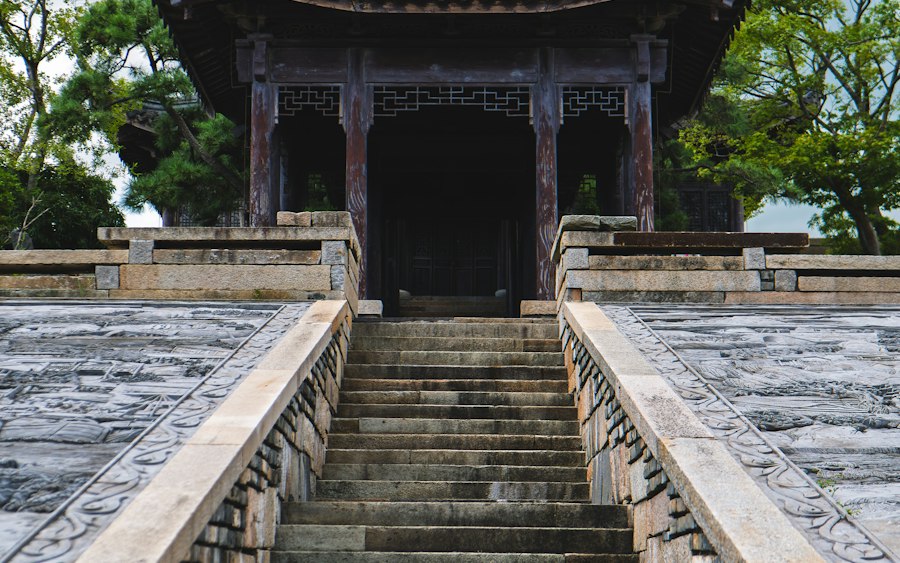
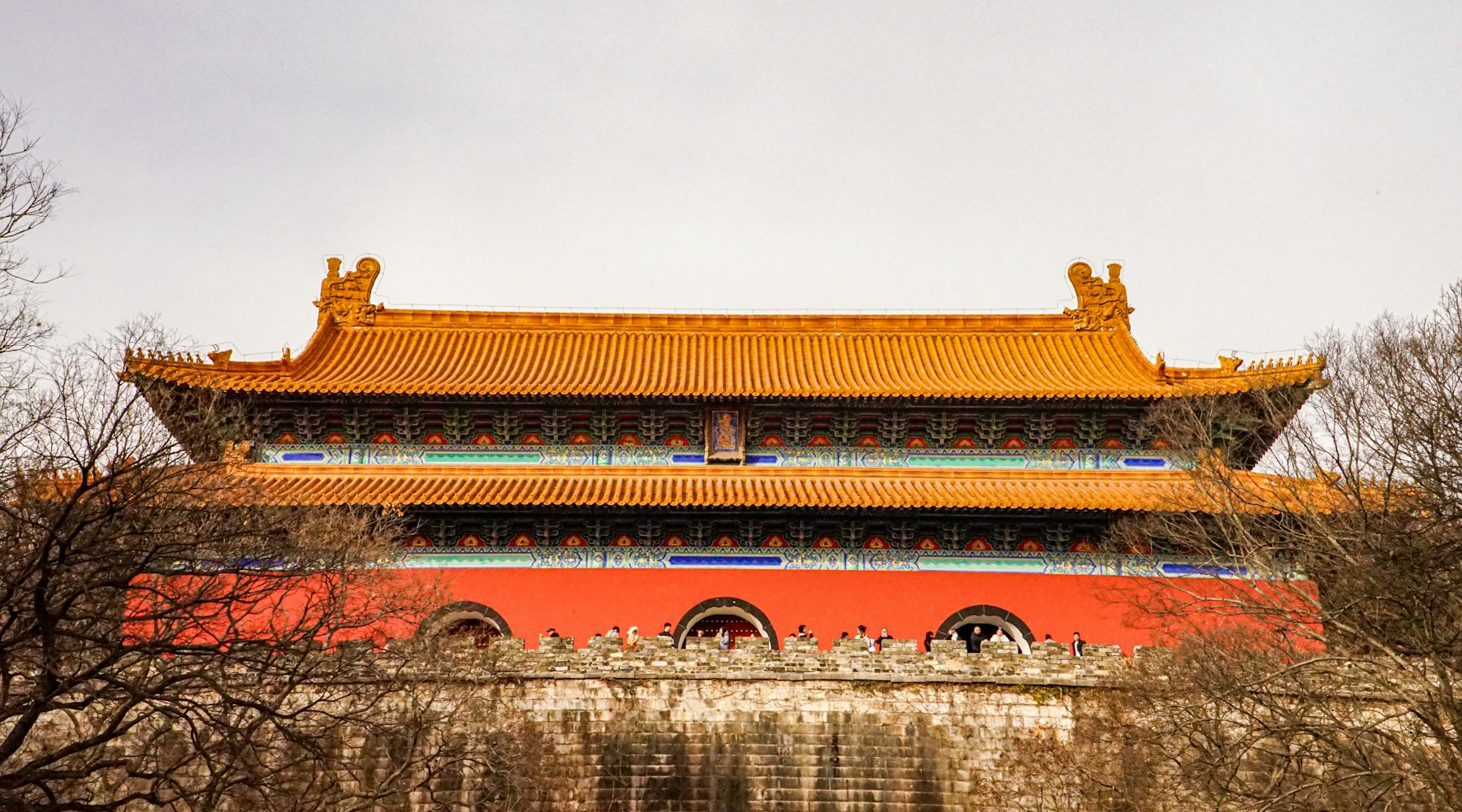
Zhu Yuanzhang chose this site himself, on the southern slope of Purple Mountain, and kept an older king's grave in front of it as a guardian. Walk the approach with the master and see what the land told him.
Where the dragon comes from
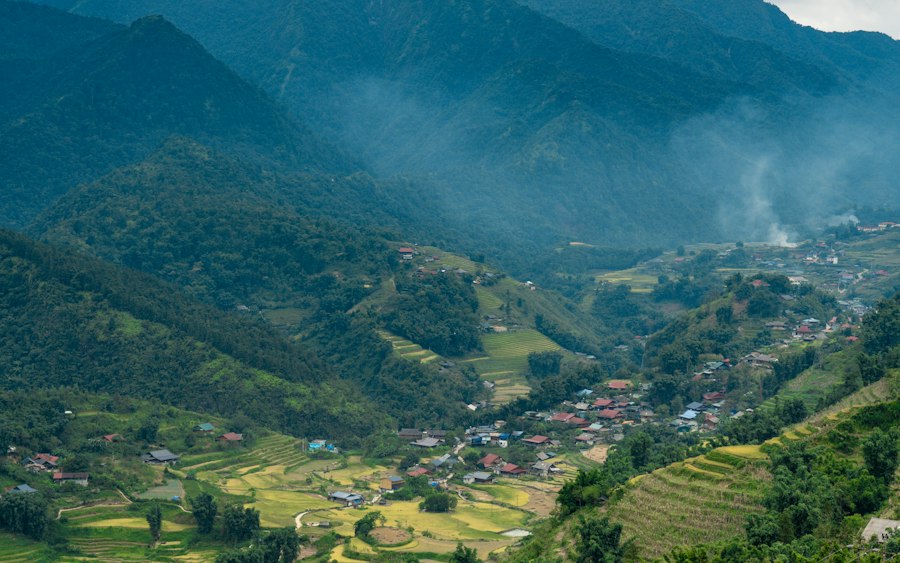
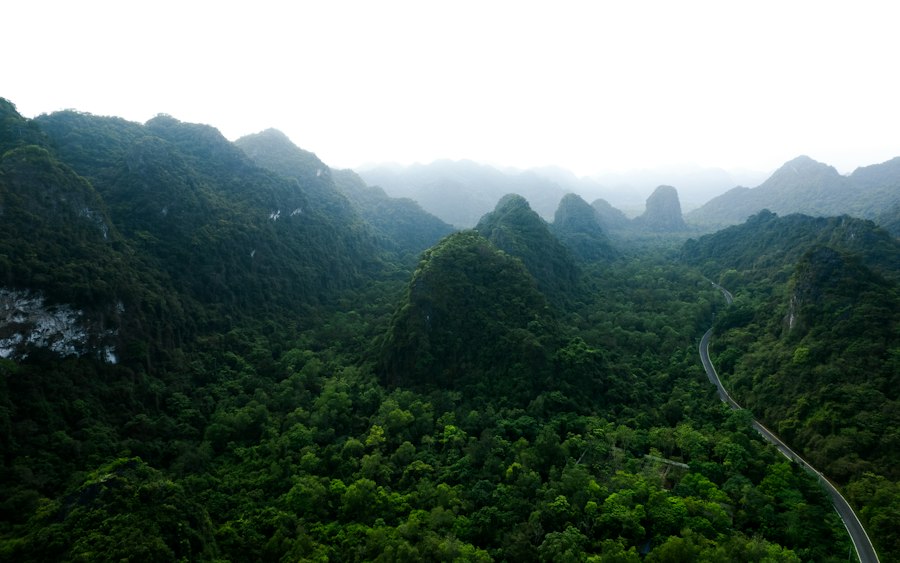
Purple Mountain is the parent. Its main ridge runs east to west, and from the main peak a branch drops south in a series of steps before it slows, widens and settles into the low rise where the tomb stands. In Form School terms the dragon has travelled, shed its roughness, and stopped. A ridge that is still falling steeply cannot hold a site. This one has finished its descent.
Stand at the Square City and look back up the slope. The ground behind the burial mound rises in a broad, rounded form, not a sharp peak. That is the shape a site wants at its back: a seat, not a blade.
The guardians
To the east and west, lower arms of the mountain come forward and wrap around the site. Neither arm is higher than the backing, and neither closes so tightly that the view is lost. These are the Green Dragon and the White Tiger, and here they are balanced. When the master walks a clan grave in the hills of Xingguo, this is the first thing he checks, and it is rare to find both arms as even as they are here.
In front, Meihua Hill stands across the line of sight at exactly the right distance: close enough to hold the site, low enough to look over. Sun Quan's grave was already on that hill when the Ming engineers arrived. They were told to leave it. The story says the emperor wanted the king of Wu to keep his gate. The land says the hill was needed as the table.
The water
The sacred way does not run straight. It bends around Meihua Hill in a long curve, and that curve follows the natural drainage of the slope. Water gathers in front of the site at Qian Lake and leaves toward the southwest, slowly, through a gap that the western arm half-closes. A site wants water to arrive in view, linger, and leave out of sight. Here it does all three.
Why it matters for your own site
Nobody will bury their parents on an imperial scale. But the questions are the same at every size. Has the ridge stopped falling? Is there a seat behind, and is it rounded? Do the arms on each side hold without crowding? Is there something in front at the right distance? Where does the water go, and can you see it leave? When the master reads a cemetery plot in Vancouver from satellite and photographs, these are the five things he is looking for, and this is the site he uses to teach them.
The site in one drawing
The master's field sketch, redrawn. North is up; the tomb faces down the page.
玄武 Backing. The rounded rise behind the mound, fed by Purple Mountain's main ridge.
青龙 白虎 The arms. Two lower ridges wrapping the site from east and west, even in height.
穴 The site. Where the ridge has stopped and the ground gathers. Marked in cinnabar, as on the luopan.
案山 Table hill. Meihua Hill, kept in place by order of the emperor, at the distance a table should be.
Water. Gathers at Qian Lake in front, leaves to the southwest through the gap the western arm half-closes.
What this site teaches
A site is not a point. It is the place where a mountain finishes a sentence. Learn to hear the sentence and the point finds itself.